
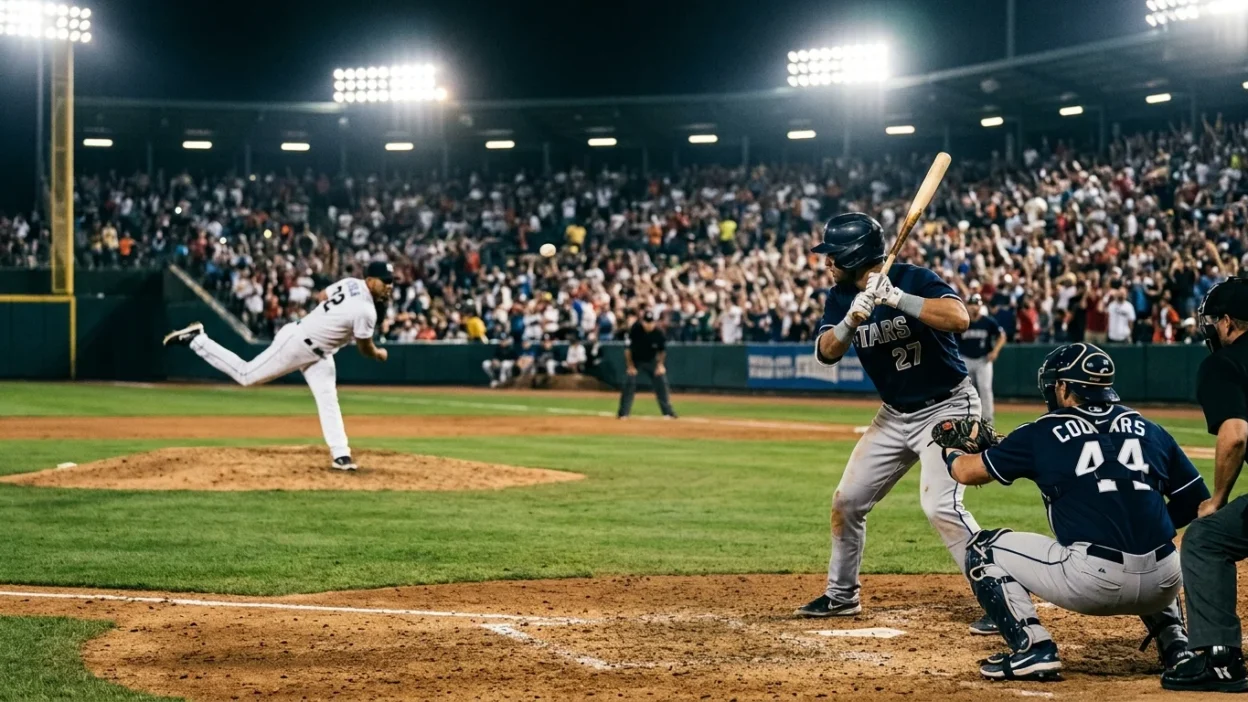
In baseball, the batter and pitcher have opposite jobs during each pitch. The batter is the offensive player standing at home plate and trying to hit the ball, while the pitcher is the defensive player throwing the ball toward the batter. Their direct competition is one of the most important parts of baseball.
Understanding the difference between a batter and a pitcher makes baseball easier to follow. A batter tries to reach base, advance runners, and help score runs. A pitcher tries to prevent that by throwing pitches that are difficult to hit and by getting the batter out.
Quick Answer
A batter is the offensive player who stands in the batter’s box and tries to hit a pitch. A pitcher is the defensive player who throws the baseball toward the batter. The batter tries to make successful contact or reach base, while the pitcher tries to prevent hits, walks, and runs.
Why Do People Confuse Batter and Pitcher?
The terms are sometimes confusing because both players are directly involved in every pitch.
The pitcher throws the ball, and the batter responds by deciding whether to swing. This creates a direct competition between offense and defense.
The basic sequence is:
- The pitcher delivers the ball.
- The batter decides whether to swing.
- The pitch may become a ball, strike, hit, foul ball, or another result.
- The plate appearance continues until the batter reaches base, makes an out, or otherwise completes the plate appearance.
MLB describes the batter as the player who attempts to put the ball in play against the opposing pitcher.
What Is a Batter?
A batter is the offensive player currently standing at home plate and attempting to hit the pitch.
The batter stands in one of the two batter’s boxes beside home plate. A right handed batter normally stands on the third base side, while a left handed batter normally stands on the first base side.
The batter’s main objectives include:
- Getting a hit
- Reaching base
- Drawing a walk
- Advancing runners
- Driving runners home
- Avoiding an out
- Helping the team score runs
A batter does not necessarily have to get a hit to help the team. For example, drawing a walk can put a player on base without a hit.
Common Batter Statistics
Some common offensive statistics include:
- Batting average
- Hits
- Home runs
- Runs batted in
- Runs
- Walks
- Strikeouts
- On base percentage
- Slugging percentage
What Is a Pitcher?
A pitcher is the defensive player who throws the baseball toward home plate with the goal of getting the batter out or preventing offensive production.
The pitcher throws from the pitcher’s mound toward the catcher, with the batter positioned between them.
Pitchers can use different types of pitches and locations to make hitting difficult.
Common pitch types include:
- Fastball
- Curveball
- Slider
- Changeup
- Cutter
- Splitter
- Sinker
A pitch can result in a strike, ball, hit, foul ball, or another outcome depending on what happens during the play.
Batter vs Pitcher Comparison Table
| Feature | Batter | Pitcher |
|---|---|---|
| Main role | Offensive player | Defensive player |
| Position during confrontation | Batter’s box | Pitcher’s mound |
| Main action | Attempts to hit | Throws the ball |
| Main objective | Reach base and help score | Prevent scoring and record outs |
| Important statistics | Hits, average, home runs, walks | ERA, strikeouts, walks, hits allowed |
| Equipment | Bat and helmet | Glove and pitching equipment |
| Works directly against | Pitcher | Batter |
| Main result desired | Hit, walk, or productive play | Out or difficult contact |
Batter vs Pitcher: How Does the Matchup Work?
The batter and pitcher face one another during a plate appearance.
The pitcher begins by delivering a pitch. The batter then decides whether to swing.
If the pitch is outside the strike zone and the batter does not swing, it can be called a ball. If the pitch is in the strike zone and the batter does not swing, it can be called a strike. A swing and miss can also result in a strike.
A batter can also hit the ball into fair territory and become a baserunner.
Three strikes normally result in a strikeout, while four balls can result in a walk.
12 Examples of Batter vs Pitcher
1. The pitcher throws a fastball
The batter watches the pitch and decides whether to swing.
2. The batter hits a single
The batter successfully reaches first base after hitting the ball into fair territory.
3. The pitcher records a strikeout
The pitcher throws three strikes before the batter can reach base.
4. The batter draws a walk
The pitcher throws four balls, allowing the batter to advance to first base.
5. The batter hits a home run
The batter hits the ball over the outfield fence in fair territory and scores.
6. The pitcher gets a groundout
The batter hits a ground ball that results in an out.
7. The batter fouls off a pitch
The batter makes contact, but the ball goes into foul territory. Depending on the count, this can add a strike.
8. The pitcher changes pitch type
A pitcher may use a breaking ball or changeup after throwing several fastballs.
9. The batter waits for a better pitch
Instead of swinging immediately, the batter may take pitches and try to reach a favorable count.
10. The pitcher attacks the strike zone
The pitcher may throw strikes early in the plate appearance to get ahead in the count.
11. The batter hits with runners on base
A successful hit can advance runners or drive them home.
12. The pitcher prevents a scoring opportunity
A strikeout or weakly hit ball can end the plate appearance without allowing the offense to score.
What Does Batter vs Pitcher Mean in Baseball Statistics?
Batter vs pitcher, often shortened to BvP, can also refer to statistics showing how a particular batter has performed against a particular pitcher.
For example, a statistical table might show how many times a batter has faced a certain pitcher and how many hits, home runs, strikeouts, or walks resulted.
BvP statistics can be useful, but sample size matters. A batting average against a pitcher based on only a few plate appearances does not provide the same amount of information as a much larger sample.
Common Batter vs Pitcher Statistics
Batting Average
Batting average measures hits divided by official at bats.
Hits
A hit occurs when the batter reaches base safely because of a fair ball that is not ruled an error or another specific outcome.
Home Runs
A home run allows the batter and any eligible runners to score.
Strikeouts
A strikeout records an out against the batter and is also an important statistic for pitchers.
Walks
A walk allows the batter to advance to first base after receiving four balls.
Earned Run Average
ERA is a common pitching statistic used to measure earned runs allowed by a pitcher relative to innings pitched.
Common Mistakes
Mistake 1: Thinking the Batter Throws the Ball
The batter hits the ball. The pitcher throws it.
Mistake 2: Thinking Every Plate Appearance Is an At Bat
An at bat and a plate appearance are not exactly the same. Certain outcomes, such as a walk or hit by pitch, do not count as official at bats.
Mistake 3: Thinking the Pitcher Always Bats
In modern professional baseball, whether pitchers bat depends on the league and rules. The designated hitter allows a team to use a hitter instead of having the pitcher hit in leagues using that rule.
Mistake 4: Assuming a Batter Must Get a Hit to Help
A batter can contribute by walking, advancing runners, hitting a sacrifice, or producing other useful offensive outcomes.
Mistake 5: Thinking a Pitcher Only Throws Fastballs
Pitchers use different pitch types and locations to challenge batters.
Memory Trick
Think of it this way:
Batter = bats
Pitcher = pitches
The batter uses the bat to try to hit the ball.
The pitcher throws or pitches the ball toward the batter.
This simple connection makes the difference easy to remember.
American vs British English
In baseball terminology, batter and pitcher are standard terms in both American and British English when discussing the sport.
American baseball coverage commonly uses:
- Batter
- Hitter
- Pitcher
- Catcher
- Home plate
- Batting average
- Pitching statistics
The terms remain understandable to baseball audiences regardless of English variety.
Similar Baseball Terms
Hitter
A hitter is another common term for a batter.
Catcher
The catcher is the defensive player positioned behind home plate who receives pitches from the pitcher.
Pitch
A pitch is the ball delivered by the pitcher toward the batter.
At Bat
An at bat is an official batting opportunity that meets the statistical requirements for an at bat.
Plate Appearance
A plate appearance is a batter’s completed turn at the plate. It includes outcomes that do not count as official at bats, such as walks.
Strike Zone
The strike zone is the area through which a pitch can be called a strike when the batter does not swing.
Final Verdict
A batter and a pitcher have opposite roles in baseball. The batter is on offense and attempts to hit the ball, reach base, advance runners, and help produce runs. The pitcher is on defense and attempts to prevent those outcomes by delivering effective pitches and recording outs.
The phrase batter vs pitcher can also describe statistical analysis of a specific hitter’s history against a specific pitcher. In that context, BvP statistics can include hits, at bats, batting average, home runs, walks, and strikeouts. The size and context of the sample are important when interpreting those numbers.
FAQs
Is a batter the same as a hitter?
Usually, yes. In baseball, hitter is commonly used as another word for batter, although the exact context can differ.
What does a pitcher do?
A pitcher throws the baseball toward the batter and tries to prevent the batter from reaching base or producing runs.
Who throws the ball, the batter or pitcher?
The pitcher throws the ball. The batter attempts to hit it.
Who holds the bat?
The batter holds the bat and attempts to hit the pitch.
What does BvP mean in baseball?
BvP means batter vs pitcher. It commonly refers to statistics showing how a particular batter has performed against a particular pitcher.
Is batter vs pitcher important in baseball?
Yes. The confrontation between the batter and pitcher is central to baseball because the pitch determines the immediate challenge faced by the batter.
What statistics are used for batters?
Common batter statistics include batting average, hits, home runs, runs batted in, runs, walks, strikeouts, on base percentage, and slugging percentage.
What statistics are used for pitchers?
Common pitching statistics include earned run average, wins, losses, innings pitched, strikeouts, walks, hits allowed, and saves.
Remember This
The batter hits, while the pitcher pitches. The batter represents the offense, and the pitcher represents the defense during their direct matchup.
Conclusion
The difference between a batter and a pitcher is simple. The batter stands at home plate with the goal of hitting the baseball and helping the offense score. The pitcher stands on the mound and delivers the ball with the goal of preventing the batter from reaching base or producing runs.
The term batter vs pitcher can also refer to the statistical matchup between individual players. Understanding both meanings makes baseball articles, box scores, fantasy baseball analysis, and game coverage much easier to follow. When reading BvP statistics, always consider the number of previous plate appearances as well as the actual results.

Nancy Lisa is a passionate writer and contributor at DrameyHut, focused on uncovering the deeper meanings behind dreams. She creates engaging and insightful content that helps readers interpret their dreams and understand their subconscious thoughts. Her work inspires self-reflection, clarity, and a stronger connection to inner emotions.